
How To Price Your Yoga Retreat And Take Deposits
October 27, 2026Teaching Private Yoga Clients in Their Homes: What Are the Risks?
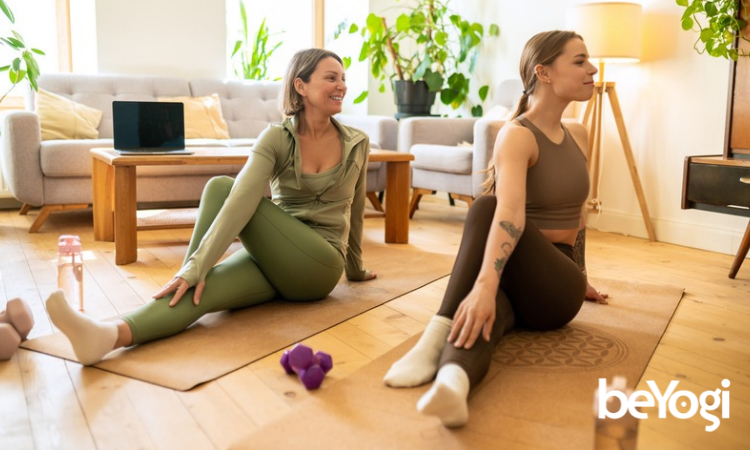
As a yoga teacher, there are a few reasons you might want to offer private yoga lessons. Perhaps it’s the chance to work one-on-one with clients, or you want to avoid the cost of running a studio. Either way, home-based teaching can let you build your schedule around fewer students, and it can be convenient for both you and your clients.
Still, teaching outside a traditional studio isn’t without challenges. So, what are the risks of teaching private yoga clients in their homes? Here’s a look at some of the issues you may encounter and how you can prepare for them.
KEY TAKEAWAYS
- Teaching private yoga clients in their homes offers flexibility and personalized instruction but introduces unique safety, liability, and professional challenges that instructors should prepare for.
Personal safety is an important consideration when visiting unfamiliar residences, especially when instructors are working alone with clients.
Private yoga instructors may face liability claims if a client experiences an injury during a session, even when the instructor believes they provided appropriate guidance.
Home environments can contain hazards such as slippery floors, loose rugs, pets, furniture, and limited space that increase the risk of accidents during yoga sessions.
Maintaining clear professional boundaries is essential when teaching in clients’ homes, including establishing expectations for session length, payments, cancellations, and communication.
Screening new clients, gathering relevant information, sharing appointment locations, and inspecting practice areas can help instructors reduce personal safety and teaching risks.
Having clients sign a yoga liability waiver before their first session helps communicate potential risks and establish expectations, although waivers do not eliminate all legal liability.
Professional liability insurance can help protect instructors against covered claims involving injuries allegedly caused by their teaching, guidance, or adjustments.
General liability and product liability insurance provide additional protection for certain accidents, property damage, or injuries involving products used during private yoga sessions.
Choosing yoga instructor insurance that covers private home sessions, studio classes, online instruction, and other teaching environments helps instructors maintain protection as their businesses grow.
4 Risks of Teaching Private Yoga Clients In Their Homes
1. Personal Safety Concerns
Students, staff, or other instructors are usually present when you teach at a studio. A home visit, however, often means you’re entering an unfamiliar residence, especially on the first visit. You may even spend an hour or more alone with the client.
You may not know much about who else might be there during the session. Even if everything seems fine when you arrive, the situation can change once you’re inside the home.
2. Liability and Injury Risks
Although no instructor likes dealing with accidents or incidents, you can’t rule them out completely. If the client gets hurt during a private session, maybe because they lose their balance and fall or attempt a pose and strain a muscle, it could lead to a claim. In addition to legal problems, a claim can create financial stress, even if you believe you did everything correctly.
Another important risk is that the client’s homeowner’s insurance isn’t designed to replace coverage for your professional services, even if you offered the services at their residence.
3. Uncontrolled and Hazardous Environments
A client’s living room may not be ideal for movement. The available space in the home may be small or packed with obstacles, including furniture. There could be pets, slippery floors, low ceilings, stairs, loose rugs, and poor lighting, all of which can create hazards.
Even something as simple as not having enough room to extend the arms or legs can affect how safely a client can perform a pose.
4. Blurred Professional Boundaries
A client’s home usually feels more casual than a studio, and that can make it harder to maintain professional boundaries.
A client might start the session late without adjusting the end time. They might expect you to stay longer after the session or ask for extra services you didn’t agree to originally. Small exceptions can also become expectations, especially when you give in the first few times.
Teaching Private Yoga Clients in Their Homes: How Can You Reduce the Risks?
If you plan to expand your services to include home-based private lessons, consider these practical steps:
- Screen new clients: It’s usually a good idea to screen new clients before agreeing to meet in their homes. This is even more important when the client isn’t someone who was referred to you.
- Ask for basic information: Before your first visit, ask for basic information about the client and the location. Be sure to find out their yoga experience, relevant injuries or physical limitations they choose to disclose, along with information about the practice space.
- Share your location: Before an appointment, consider letting someone know where you’re going and when you expect to return. Keep your phone accessible during the visit and trust your judgment if a situation feels unsafe.
- Check the practice area: When you arrive at a client’s home, identify potential hazards in the practice area and clear obstacles when appropriate. You may have to modify your lesson if the environment isn’t suitable for certain movements.
- Set clear boundaries: Before you agree to meet, set clear boundaries and make sure the client understands your policies about session length, payment terms, cancellations, and communication. Your relationship should be friendly, but remember that you’re providing a professional service.
- Use a liability waiver: Ask every new client to sign a yoga liability waiver before their first session. A waiver helps clients understand the physical risks of practicing yoga and documents that they agreed to take part. It won’t protect you in every situation, but it’s an important part of setting expectations, especially when you’re teaching in a private home.
- Consider liability insurance: Finally, consider carrying liability insurance designed for yoga instructors. While insurance won’t eliminate every risk, it can provide financial protection when an eligible claim arises.
What Insurance Do You Need to Teach Yoga in Clients’ Homes?
You might face different types of liability claims depending on what happens during a session. A client may allege that your guidance or instruction caused an injury or worsened an existing issue. Professional liability insurance can help address such claims, provided they are covered in the terms of your policy.
On the other hand, general liability insurance can apply to certain eligible accidents that aren’t directly tied to your instruction but happen while you’re providing services in the client’s home. For example, it may help if you accidentally damage the client’s property during a session, such as knocking over a lamp or scuffing a floor while setting up.
Home sessions also tend to involve things you bring with you, like mats, blocks, straps, essential oils, or incense. If one of those products causes an injury or damages the client’s property, such as a client reacting to an essential oil or a candle staining a rug, product liability coverage may help with covered claims.
When choosing a policy, look for one that covers how you actually teach. You might work exclusively with private clients or combine home visits with studio classes, online instruction, and outdoor sessions.
A policy that includes multiple teaching formats can give you greater flexibility as your practice develops. With beYogi, you get insurance that includes professional, general, and product liability coverage for online, in-person, and hybrid teaching.
Start Your Private Yoga Practice With the Right Coverage
One good thing about teaching private yoga clients in their homes is that it lets you develop closer relationships with individual students. However, it also puts you in environments you don’t have much control over, which can lead to risks that aren’t common in a studio setting.
That’s why it’s important to think about your personal safety as well as how insurance can help before you begin offering private lessons. Appropriate insurance can help with certain legal and financial costs associated with covered claims.
If you’re ready to start teaching private clients, explore beYogi’s Yoga Instructor Insurance to learn about coverage for your yoga teaching business.
Get Yoga Insurance & Protect Your Yoga Teaching Career Instantly
Save $24