How to Become a Tai Chi Instructor
July 29, 2026
Held and Steady: Nervous System Regulation While You Teach Yoga
August 13, 2026Wrist Safety in Yoga: What Every Teacher Should Know
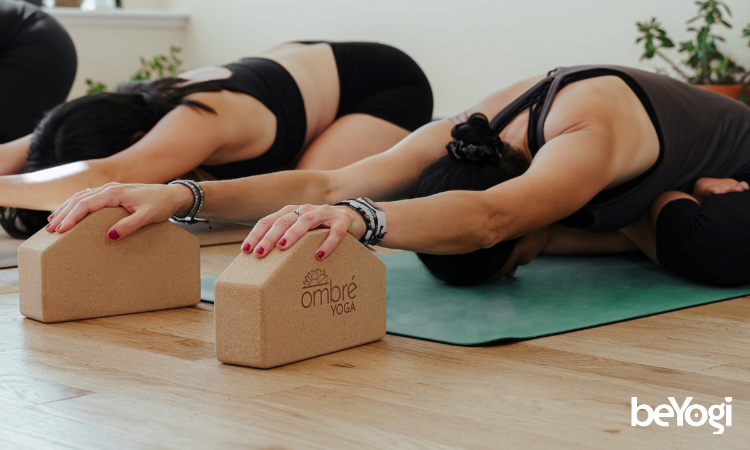
Curious about wrist safety as a yogi? Whether you're brand new or a seasoned practitioner, wrist safety matters.
There are steps you can take to protect your wrists – adequate warm-up, strategic stretching, and of course, the right yoga props.
In this blog, we'll walk through them all – including tips on what props to use to protect your wrists and your students' wrists.
KEY TAKEAWAYS:
- If you're in the yoga world long enough, you'll see a pattern of injuries that surround the wrist.
- A look at why wrists take the hit. Hint: it's not just yoga!
- A simple, prop-based fix can help change the likelihood of a wrist injury.
- A few practices worth adding to your routine: warming up your wrists specifically, rotating your demonstration sides and frequencies, and be hyper aware of fatigue points.
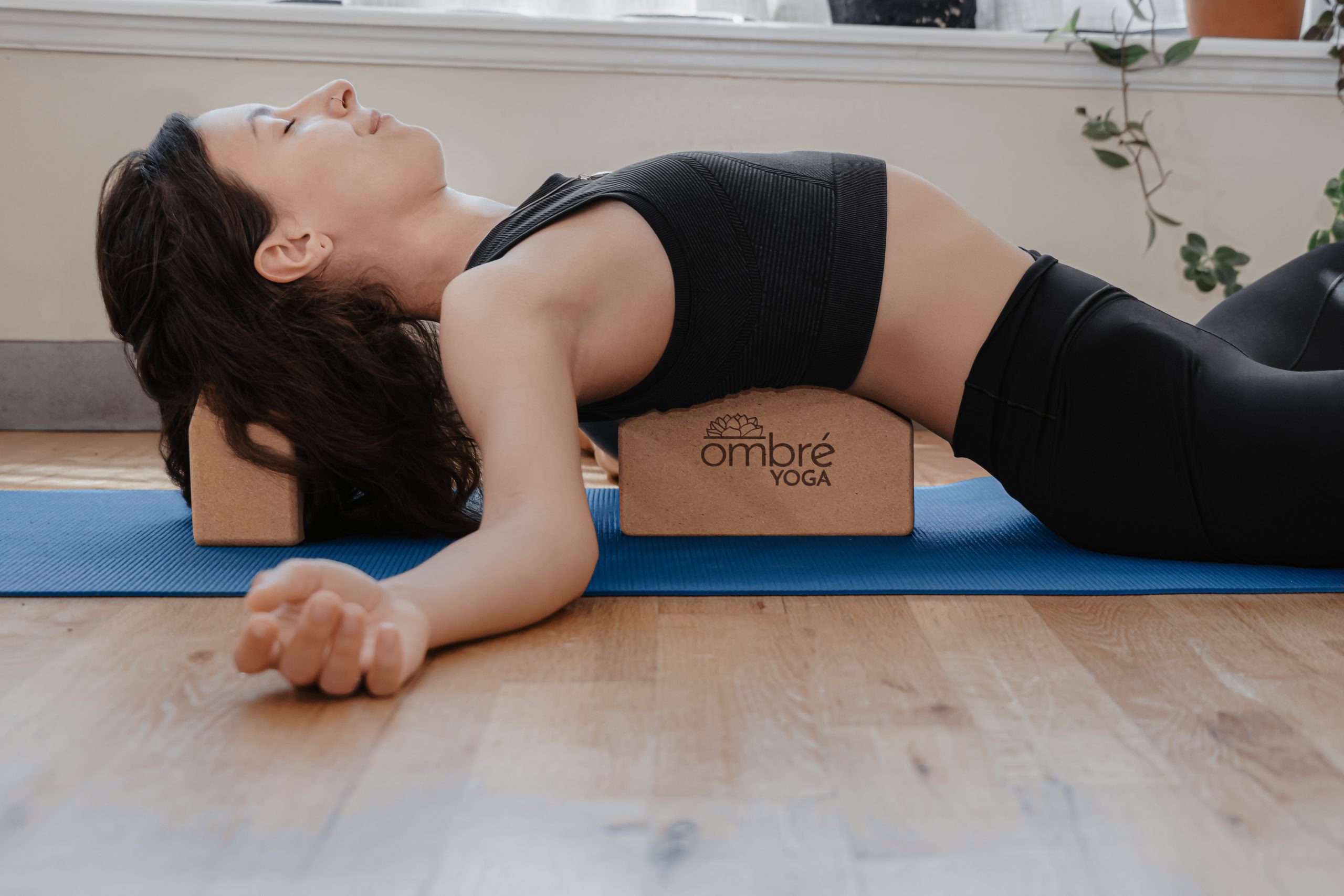
If you teach yoga long enough, you'll notice a pattern in the injuries that come up in class and in your own body.
It's rarely the hamstrings or the hips that flare up first.
The wrist is one of the smallest, least mobile joints asked to bear weight multiple times in a typical yoga practice, and the research backs up what most experienced teachers already sense anecdotally.
In a survey of yoga professionals, the wrist accounted for over 11% of all reported injuries.
Among practitioners who regularly train handstands, more than half report chronic wrist pain.
And in a broader study tracking new musculoskeletal pain caused by yoga, the upper extremities like shoulders, elbows, wrists, and hands were the most commonly affected region, largely attributed to poses like Downward Dog, Plank, and Chaturanga that put sustained load directly through the hands.
For teachers, this isn't just a student-safety issue.
It's a professional one. You're demonstrating these poses dozens of times a day, week after week, year after year, which means your cumulative wrist load is often higher than that of any single student.
Understanding why the wrist is so vulnerable, and what you can do about it, matters both for your own longevity as a teacher and for how you guide the students in front of you.
Wrist Safety: Why The Wrists Take The Hit
The wrist wasn't designed to be a primary weight-bearing joint the way the ankle or the ball of the foot is. It has a limited range of comfortable extension, a relatively small surface area to distribute load across, and a dense network of tendons and nerves running through a narrow structural space.
When you place your palm flat on a mat in a pose like Plank or Downward Dog, you're asking that joint to support a significant percentage of your body weight, often in a position of near-maximal extension.
The bigger issue is usually fatigue. Early in a pose, most practitioners actively engage the hand and forearm — gripping the mat, spreading the fingers, pressing through the knuckles.
But as fatigue sets in, that active engagement tends to disappear first. Instead of the load being shared across the hand and forearm musculature, it collapses straight down into the wrist joint itself.
Do that consistently, session after session, and you have a textbook repetitive strain pattern, one that often shows up not as a single acute injury, but as a slow accumulation of discomfort that practitioners frequently dismiss until it becomes chronic.
This is where prop choice starts to matter more than most people assume.
Spoiler: Wrist Pain Isn't Just From Yoga
Most students, and most teachers, walk onto the mat with wrists that are already under strain before class even begins. Modern life is remarkably hard on this joint.
A 2025 study in BMC Public Health found that 25.4%–29.6% of university students reported discomfort in the right thumb, thumb base, and wrist, regions subjected to repetitive strain from everyday texting, swiping, and scrolling. Separate research on smartphone use has linked prolonged daily use to diminished grip strength, increased wrist pain, and a heightened risk of conditions like carpal tunnel syndrome and De Quervain's tenosynovitis, the same tendon inflammation that shows up in overuse injuries from typing and repetitive hand work.
The pattern is consistent across studies of both phone and computer use: the wrist is a small joint built for precision and range of motion, not for hours of sustained repetitive load, and most people spend a significant part of their day asking it to do exactly that anyway.

This matters for yoga because it means the wrist showing up to class is rarely a blank slate.
A student or teacher who has spent the day texting, scrolling, or typing is already carrying some degree of cumulative strain in that joint before a single Down Dog or Plank.
Weight-bearing poses aren't creating strain in isolation; they're adding load on top of a joint that's frequently already fatigued from daily tech use.
That's part of why deliberate, active engagement of the hand and wrist in yoga matters even more than it might seem at first glance, and why a supportive, well-designed prop can make a meaningful difference.
A Simple Prop-Based Fix: Angled Support
One accessible way to interrupt this pattern is by changing the surface the hand is pressing into.
Ombré Yoga's cork blocks, for instance, are built with two 30-degree angled edges rather than the flat, right-angled surfaces of a traditional block.
Placing the hand on that downslope changes the mechanics in a meaningful way: because the surface is angled rather than flat, the hand has to actively grip and engage to stay put, rather than simply resting on top of it. That active grip pulls more of the surrounding forearm and hand musculature into the work, which is exactly the engagement that tends to disappear when fatigue sets in.
At the same time, the angle changes how weight moves through the hand itself. On a flat surface, load tends to concentrate at the base of the palm, right at the wrist.
On the 30-degree slope, weight is distributed more evenly across the length of the hand, reducing how much force dumps directly into the joint. It's a small design change with an outsized effect on where the strain actually goes.
It's also worth noting that the body itself isn't built out of flat planes and right angles. Joints, limbs, and the hand's own arch are all curved and angled surfaces.
A block shaped to meet the hand at an angle, rather than forcing the hand to adapt to a flat rectangular edge, tends to feel more intuitive to grip and hold. A small but meaningful difference for anyone who's ever felt a standard block slide or dig in awkwardly under load.
Protecting Your Own Wrists
A few practices worth building into your own routine:
- Warm up the wrists specifically, not just the body generally. Wrist circles, gentle extension and flexion stretches, and light weight-bearing before a full class can meaningfully reduce strain.
- Rotate your demonstration side and frequency. If you're demonstrating the same pose multiple times per class, alternate which side bears more weight where possible.
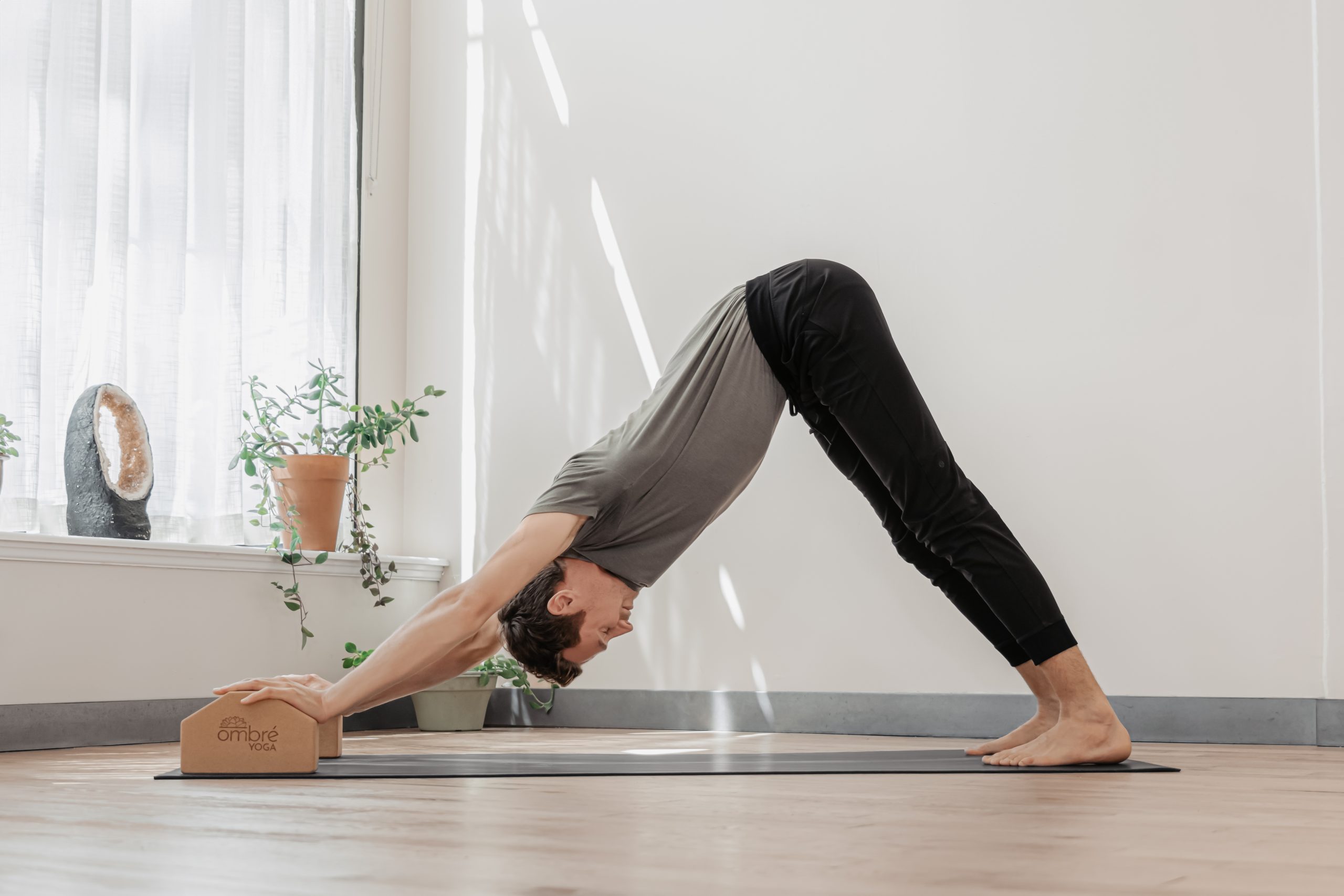
- Use props deliberately, not just for students. An angled block under the heel of the hand in poses like Plank or Down Dog can reduce cumulative strain over a full teaching day, particularly on days with back-to-back classes.
- Treat early discomfort as a signal, not background noise. Teachers are often the last to modify their own practice. Early wrist fatigue or soreness is worth addressing before it becomes chronic.
Protecting Your Students' Wrists
Wrist injuries in class are often preventable with small adjustments in cueing:
- Cue active hands, not passive hands. Encourage students to spread the fingers wide, press through the knuckles, and actively grip the mat or prop rather than letting weight settle passively into the palm.
- Offer modifications proactively, especially for beginners and students returning from injury. Dropping to the knees in Plank, using forearms instead of palms, or elevating the base of the hand with a prop are all legitimate, non-negotiable options — not just for people who ask.
- Watch for the fatigue point in a sequence. Wrist strain tends to show up later in a class or sequence, not at the beginning. Building in rest points before repetitive weight-bearing sections can reduce cumulative load.
- Recommend supportive props for students with existing wrist sensitivity. An angled block, like Ombré's 3-inch or 4-inch cork versions, gives students with wrist discomfort a way to keep participating in weight-bearing poses rather than skipping them entirely.
From a risk-management standpoint, this kind of proactive modification is exactly the sort of practice that protects both your students and your teaching business.
Fewer preventable injuries in class means fewer situations that could turn into a liability claim down the line.
Advanced Practitioners Aren't Exempt from Wrist Safety
It's tempting to think of wrist safety as a beginner issue, something that resolves as students build strength and experience. The data suggests otherwise.
Practitioners working toward arm balances and handstands are often at higher risk of chronic wrist pain, not lower, because these poses demand full body weight through the wrist in extended positions, held for longer durations, more frequently.
If you or your students are working toward inversions or arm balances, the same principles apply, just with higher stakes: build wrist strength progressively, prioritize active engagement over passive weight-bearing, and don't treat prop use as a beginner's crutch.
Many experienced practitioners incorporate angled blocks specifically as a training tool for handstand prep, using the downslope to reinforce the same active-hand mechanics they'll eventually need without support.
Choosing the Right Block Size
Ombré Yoga's angled cork blocks come in two widths, and the right choice depends on the practitioner:
- The 3-inch block is a better fit for smaller hands and frames, and its lighter, more compact size makes it a practical choice for teachers who travel with their own props.
- The 4-inch block offers more surface area and stability, which can be preferable for larger hands or for practitioners who want maximum support under the palm during longer weight-bearing holds.
The Bottom Line On Wrist Safety
Wrist pain in yoga isn't rare, and it isn't something practitioners should just push through. It's a predictable, mechanical problem, the result of a small joint absorbing weight it's not built to carry, especially once fatigue erodes active engagement.
Understanding that mechanism gives teachers two tools: better cueing for their students, and better self-care for their own bodies. Prop choice is one of the simplest, lowest-effort interventions available, and small design details, like an angled surface that encourages active grip, can make a measurable difference over the life of a practice.
Wrist Safety FAQs
How common are wrist injuries in yoga?
Surveys of yoga professionals report the wrist accounts for roughly 11–12% of injuries, and studies of practitioners doing regular weight-bearing work, like handstands, report chronic wrist pain in more than half of respondents.
Why do yoga poses like Downward Dog and Plank cause wrist pain?
These poses place significant body weight through the wrist in an extended position. As fatigue sets in, practitioners tend to stop actively engaging the hand and forearm, causing weight to concentrate directly at the wrist joint instead of distributing across the hand.
Do yoga blocks help with wrist pain?
Yes, when used deliberately. Elevating the base of the hand or changing the angle of the surface the hand presses into can reduce direct load on the wrist and encourage more active engagement of the surrounding muscles.
Is wrist pain only a beginner's problem?
No. Practitioners working on arm balances and handstands are often at higher risk of chronic wrist pain, since these poses require extended weight-bearing positions held longer and more frequently.
Get Yoga Insurance & Protect Your Yoga Teaching Career Instantly
Save $24