Best Yoga Studio Software: Top Tools for Independent Teachers & Studios
July 21, 2026
Wrist Safety in Yoga: What Every Teacher Should Know
August 5, 2026How to Become a Tai Chi Instructor
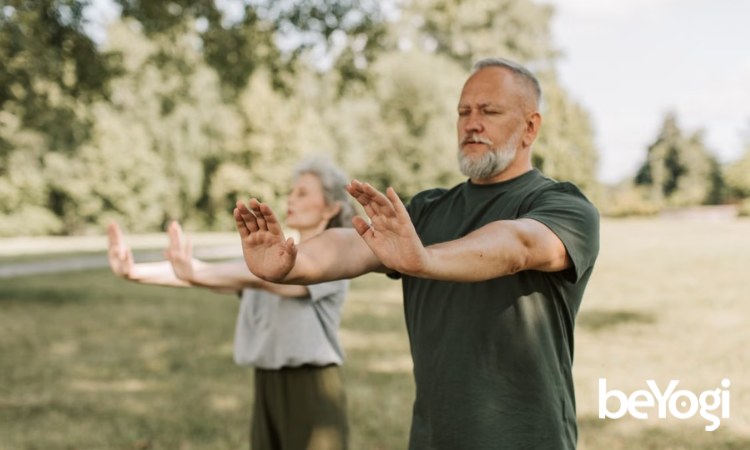
Many people who practice Tai Chi eventually want to share its benefits with others. In addition to helping others improve balance and mobility, teaching can feel like a rewarding way to support better focus and overall well-being.
If you’re wondering how to become a Tai Chi instructor, there isn’t one universal path. Different schools and organizations have their own training standards, but most successful instructors follow a similar journey of practice, education, and hands-on teaching experience.
KEY TAKEAWAYS
- Becoming a Tai Chi instructor begins with developing a strong personal practice, learning the movements, breathing techniques, philosophy, and principles from a qualified teacher.
- Formal instructor training provides the foundation for teaching, covering class planning, movement mechanics, safety, working with diverse students, and supervised teaching experience.
- When choosing a training program, look for experienced instructors, hands-on teaching opportunities, feedback, mentorship, and a curriculum aligned with your preferred Tai Chi style.
- Teaching experience is essential for growth, and many instructors start by assisting mentors, leading warm-ups, volunteering in community programs, or teaching friends and family.
- Creating a safe and supportive learning environment is just as important as demonstrating Tai Chi movements, requiring clear communication and attention to student wellbeing.
- Professional development continues beyond certification, with workshops, advanced training, mentorship, professional organizations, research, and self-reflection all helping instructors refine their skills.
- Regular teaching naturally builds confidence, improving cueing, class flow, adaptability, and the ability to meet the needs of different student populations over time.
- Professional liability insurance is an important part of building a sustainable teaching practice, and beYogi helps Tai Chi instructors protect their careers while focusing on supporting their students.
Develop a Strong Foundation in Tai Chi
Before teaching others, it’s important to build a solid understanding of Tai Chi yourself. That starts with consistent practice and learning from a qualified instructor.
Take time to study the movements, breathing techniques, principles, and philosophy behind the practice. Beyond memorizing forms, you’ll want to understand why movements are performed a certain way and how they benefit students.
Many instructor training programs also expect applicants to have an established personal practice before enrolling. So you’ll want to build your skills first, since that preparation can help you get the most out of future training opportunities.
Complete Tai Chi Instructor Training
Formal training is often what helps you go from practicing Tai Chi to actually teaching it. This can take anywhere from several months to a couple of years, depending on the program and how deep you go.
You can find instructor training through established Tai Chi schools, national or international Tai Chi organizations, community education programs, and experienced instructors who offer teacher certification. If you already study with an instructor, ask whether they offer teacher training or can recommend a respected program.
When comparing programs, look for training that includes:
- Teaching methods
- Class structure and lesson planning
- Movement mechanics and body alignment
- Safety considerations and contraindications
- Working with different student populations
- Supervised practice teaching and instructor feedback
Some programs also include written or practical assessments before certification is awarded. While certification requirements vary by organization or Tai Chi style, completing a recognized instructor training program can help demonstrate your commitment to professional development and give prospective students confidence in your qualifications.
It also helps to ask a few questions before enrolling:
- Who teaches the program, and what is their experience?
- Does the curriculum include hands-on teaching practice?
- Will you receive feedback while teaching?
- Is the training focused on the Tai Chi style you want to teach?
- Does the program provide continuing education or mentorship after certification?
Taking time to compare programs can help you find training that matches your goals, teaching philosophy, and preferred Tai Chi style, giving you a stronger foundation as you begin teaching.
Gain Experience Teaching Others
Experience is one of the most important parts of becoming an instructor. Every class you teach helps you improve your communication, build confidence, and adapt your instruction to different students. Many instructors gain experience gradually before teaching independently.
Here are a few ways to get started:
- Assist an experienced instructor: Observe how they structure classes, communicate movements, and respond to student questions. Assisting also gives you opportunities to help with demonstrations and class setup.
- Lead warm-ups or portions of a class: Instead of teaching an entire session, begin by guiding breathing exercises, warm-ups, or a short sequence. This allows you to practice teaching while receiving support and feedback.
- Volunteer in community programs: Community centers, senior centers, parks and recreation departments, and wellness organizations often welcome beginner instructors. These settings provide valuable teaching experience with diverse groups of students.
- Teach friends and family: Small, informal classes can help you become comfortable explaining movements, giving cues, and adjusting your teaching style before working with larger groups.
- Request feedback after each class: Ask students or your mentor what was clear, what could be improved, and whether your pacing and communication felt effective. Small adjustments over time can make a significant difference in your teaching.
Teaching isn't just about demonstrating techniques. It also means creating an environment where students feel comfortable, supported, and safe to learn at their own pace. As you begin teaching independently, it's equally important to understand your professional responsibilities. Prioritizing student safety, maintaining clear communication, and carrying appropriate professional liability insurance all contribute to building a teaching practice that can grow over the long term.
Continue Learning and Growing
The learning process doesn’t stop once you start teaching. Most instructors continue building their knowledge through a combination of formal education, hands-on experience, and guidance from other practitioners. Ongoing learning helps you deepen your understanding of Tai Chi and gives you new ways to support your students.
Consider continuing your education by:
- Attending workshops and seminars: Learn new teaching methods, movement techniques, and ways to work with different student populations.
- Participating in advanced instructor training: Many organizations offer higher-level certifications that expand your skills and deepen your understanding of Tai Chi principles.
- Learning from experienced instructors: Attend classes taught by senior teachers, observe their teaching style, and seek mentorship when possible.
- Joining Tai Chi organizations or professional communities: Becoming part of local or national associations can help you stay informed about training opportunities, conferences, and industry developments.
- Reading books and research on Tai Chi: Studying instructional books and current research can strengthen your understanding of movement mechanics, balance, fall prevention, and the health benefits associated with Tai Chi.
- Reflecting on your own classes: After teaching, take a few minutes to think about what went well, where students struggled, and how you can improve your communication or class structure.
You'll also learn a great deal simply by teaching. Every class gives you an opportunity to refine your cueing, improve class flow, and better understand how different students learn. Over time, these experiences help you become a more confident, adaptable, and effective instructor.
I like this approach because it balances formal education (workshops, advanced certifications) with self-directed learning (books, research, reflection) and community-based learning (mentorship and professional organizations). It gives aspiring instructors a variety of ways to keep improving throughout their careers.
Build Your Tai Chi Teaching Practice and Stay Protected With beYogi
Learning how to become a Tai Chi instructor takes time and a real commitment to helping others. By building a strong personal practice and completing instructor training, you’ll be well prepared to guide students through their own wellness journeys.
As your teaching practice grows, it’s easy to focus on classes and students and overlook the practical side of things. Having professional liability insurance gives you support in place for the work you’re doing as you teach and work with clients.
Explore professional insurance coverage from beYogi and get covered today so you can focus on teaching with confidence.
Get Yoga Insurance & Protect Your Yoga Teaching Career Instantly
Save $24