The Women’s Midlife Journey: What Yoga Teachers Need To Know
July 7, 2026
Best Yoga Studio Software: Top Tools for Independent Teachers & Studios
July 21, 2026What Is Tai Chi?
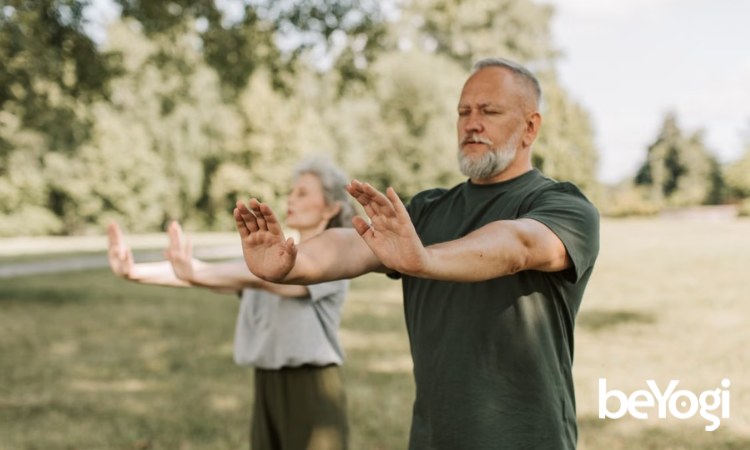
On the surface, Tai Chi appears mainly as slow, graceful movement, but there is much more happening underneath. Many people refer to the practice as a form of moving meditation or “meditation in motion.”
But what is Tai Chi exactly? And how does it differ from other mind-body practices like yoga? Essentially, Tai Chi is a mind-and-body practice that blends gentle physical movement, breathing, and focused awareness to support balance, calm, and strength.
If you’re a new tai chi instructor, it’s important to grasp the depth of the practice because, beyond learning movements, students are also learning how to slow down, reconnect with their body, and build internal awareness. And if you are stepping into teaching, you will quickly realize how transformative it can be for both you and your students.
KEY TAKEAWAYS
- Tai Chi is a gentle mind-body practice that combines slow, flowing movements, breathwork, and focused awareness to improve balance, strength, relaxation, and overall wellbeing.
- Rooted in ancient Chinese martial arts and Taoist philosophy, Tai Chi is based on the principles of Yin and Yang, emphasizing harmony, balance, and the flow of energy (qi).
- Core principles include relaxation without collapse, continuous movement, coordinated breathing, and rootedness, helping students move with stability, control, and mindfulness.
- Tai Chi offers both physical and mental benefits, including improved balance, flexibility, posture, stress reduction, emotional regulation, and better concentration.
- Practice centers around flowing forms, where students gradually learn coordinated weight shifts, circular arm movements, controlled stepping patterns, and breath synchronization.
- New instructors should emphasize foundational principles over memorization, helping students understand the purpose behind each movement rather than simply performing sequences.
- Although Tai Chi is low-impact, instructors still face professional risks, making liability insurance important for protection against injury claims or misunderstandings during instruction.
- beYogi provides insurance coverage for Tai Chi instructors as part of its 500+ covered wellness modalities, allowing teachers to focus on building their practice with confidence and professional protection.
The Roots and History of Tai Chi
When learners first encounter the practice, they are often surprised to discover that Tai Chi is both an art of self-defense and a practice of deep internal cultivation.
Also known as Tai Chi Chuan, it originated in ancient China and is deeply connected to Taoist philosophy. It is influenced by ideas of balance, harmony, and the natural flow of energy, often referred to as “qi.” Traditionally, Tai Chi was practiced as a martial art. Over time, it evolved into a gentle form of exercise and moving meditation that is now practiced worldwide.
The practice is built around balance through continuous change, often reflecting the principle of Yin and Yang. Movements are designed to shift weight fluidly between opposing forces, often described as transitions between “empty” (light) and “full” (heavy) stances. This dynamic interplay of Yin and Yang helps create stability in motion, rather than stillness alone.
Even though modern classes often focus on health and wellness, the original martial principles still guide the structure of their movements. This connection between softness and strength is one of the reasons it continues to attract students from all walks of life.
Key Principles of Tai Chi Practice
Tai Chi is built on several foundational principles that guide every movement. These principles are what give the practice its distinctive quality and help transform simple motion into mindful practice.
Relaxation Without Collapse
One key principle is relaxation without collapse. The body stays soft but supported, allowing movement without stiffness while still maintaining structure.
In real-world practice, this is often seen when students first try slow weight shifts. Many tend to either lock their joints or become too loose. Instructors gently guide them to find that middle space where the body feels free, but still stable and controlled.
Continuous Flow of Movement
Another core principle is continuous flow, where movements transition smoothly without stopping abruptly. Each motion leads naturally into the next, creating a sense of unbroken rhythm, similar to Vinyasa or flow yoga.
For example, in beginner forms, students often pause between steps. Over time, they learn to remove those pauses so the sequence feels like one connected wave rather than separate actions.
Breath Awareness and Coordination
Breath awareness is also central to the practice. Instructors guide students to coordinate breathing with motion, creating a steady rhythm that supports focus and calm.
A simple example is inhaling during opening movements and exhaling during closing or sinking actions. This helps students stay present and prevents the breath from becoming shallow or disconnected.
Rootedness and Stability
Another important idea is rootedness. Even in slow shifting movements, the feet maintain a stable connection to the ground, helping the body feel grounded and balanced.
In practice, this becomes clear when students shift weight from one leg to another. Without proper rooting, they feel wobbly. With it, even slow transitions feel steady and controlled.
As a new tai chi instructor, these principles go beyond just memorizing sequences. Instead of rushing through forms, you can return learners to these core ideas again and again. And when students understand the principles, the practice becomes meaningful rather than mechanical. Over time, they begin to feel Tai Chi rather than simply perform it.
Physical and Mental Benefits of Tai Chi
Tai Chi is widely practiced because of its broad range of benefits, both physical and mental. In fact, Harvard Medical School famously described it as “medication in motion” because of its broad range of physical and mental health benefits.
Physical Benefits of Tai Chi
On the physical side, Tai Chi can help improve balance, flexibility, posture, and joint mobility. Older adults often use it to reduce fall risk, but it is equally valuable for younger practitioners who want low-impact movement training.
The slow, controlled movements encourage body awareness and coordination, making Tai Chi accessible to people with varying fitness levels.
Mental and Emotional Benefits of Tai Chi
On the mental side, Tai Chi encourages relaxation and stress reduction. The slow, focused pace helps quiet mental noise and supports emotional regulation. Many practitioners describe it as a way to reset the nervous system. With consistent practice, it may also support better sleep, improved concentration, and a stronger sense of inner stability.
Core Movements and Structure of a Practice
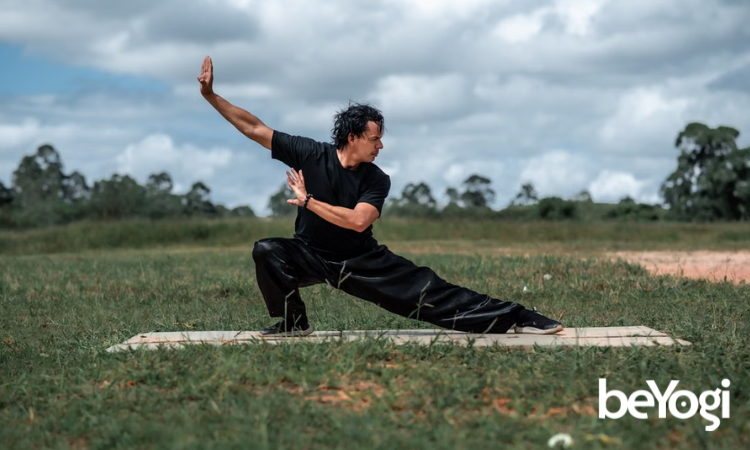
A typical Tai Chi session includes a series of flowing movements often referred to as “forms.” These forms are sequences that combine posture shifts, weight transfers, and gentle circular motions.
Some of the most common movements include:
- Weight shifting from one leg to another with control
- Slow arm movements that follow circular or spiraling paths
- Stepping patterns that emphasize balance and coordination
- Coordinated breathing throughout each transition
Although the movements may look simple, they require attention, awareness, and repetition to master.
For beginners, learning happens gradually. Instructors often break forms into smaller sections so students can build confidence step by step. This approach helps prevent overwhelm and encourages steady progress.
Insurance Considerations for Tai Chi Instructors
As a Tai Chi instructor, you are working directly with clients in a physical wellness setting. This makes professional protection important.
Tai Chi instruction is generally covered under wellness and movement-based modalities within professional liability insurance. This type of coverage helps protect you in situations involving claims of negligence, injury during instruction, or misunderstandings that may arise in a class setting.
Even though Tai Chi is low-impact, it still involves physical movement, balance work, and group instruction. This is why many instructors choose coverage that supports wellness professionals broadly rather than looking for modality-specific policies.
With beYogi, Tai Chi is included under its wide range of covered wellness practices, which supports instructors teaching across more than 500 modalities. Having insurance in place helps you focus on teaching with confidence, knowing you have protection in the background while you guide students through their practice.
Start Your Teaching Journey With Confidence
If you are ready to step into teaching Tai Chi, the most important thing is to build both your knowledge and your professional foundation. Grow your understanding, refine your communication, and protect your work with the right support.
Explore Professional Insurance coverage designed for wellness instructors and protect the work you are building with beYogi.
Get Yoga Insurance & Protect Your Yoga Teaching Career Instantly
Save $24